Since 1998 I have done one thing: buttons. What began as one factory's sample boards is now a 28-year archive — every board kept, every style numbered.
"Anyone can say 28 years. We kept the boards, the website and the 2008 paperwork — so you can check."
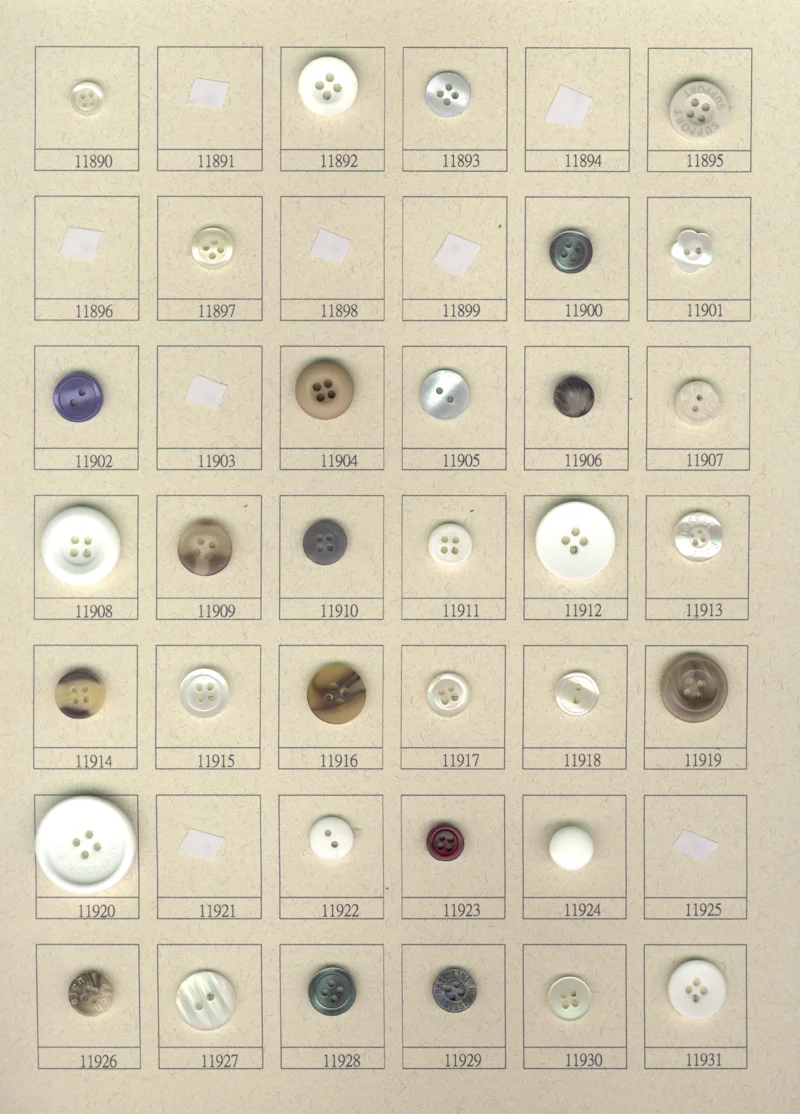
Board 11890–11931 · 42 styles · scan of the original film
1998First job. Buttons.
2,588Styles catalogued in 1999 — numbering never restarted
62Original sample boards, on file and digitised
20Product lines photographed in 2008
11In-house testing machines today
Then · Now
Same craft, 27 years apart
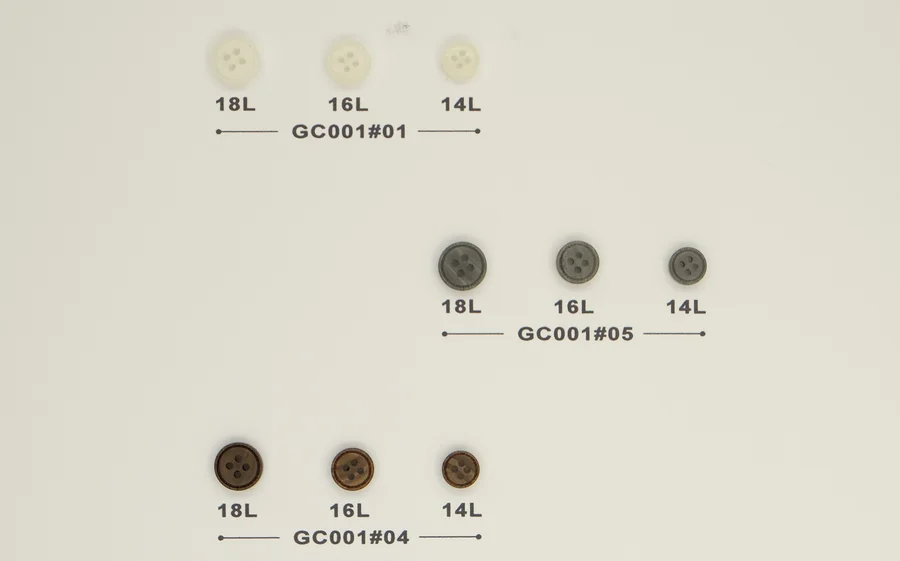
Left: a board photographed in 1999. Right: a sample board from this year. Same discipline — every style numbered, every board kept.
1999 · board 11890–11931 · 42 styles on one cardToday · a current sample board · full size run, style-coded
The record
One trade, four dates
No acquisitions, no rebrands to hide behind. The same trade, the same numbering system, the same shelves.
1998
First job, in a button factory. Style numbers start at 10000 — and they are still running today.
1999
The factory's first English sample-board website, built by hand on FrontPage 3.0 in August. The Internet Archive kept a copy from 31 October 2001.
2008
TESTEX authorization under Oeko-Tex Standard 100 for polyester buttons, issued to our earlier Hong Kong company — and the full range photographed across 20 product lines.
2026
Senfa Mfg. 11 testing machines, batch-coded bags, retained samples — and the same archive on the same shelves.
2008 · The archive grows
2008: twenty product lines, one certificate
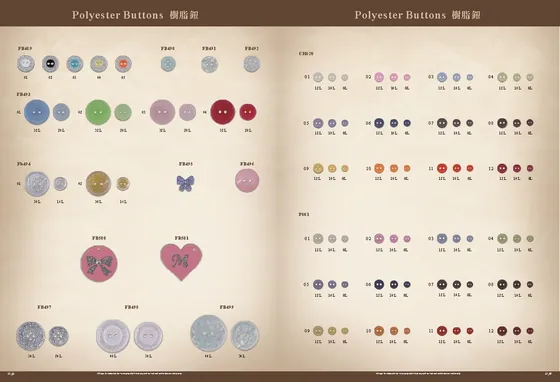
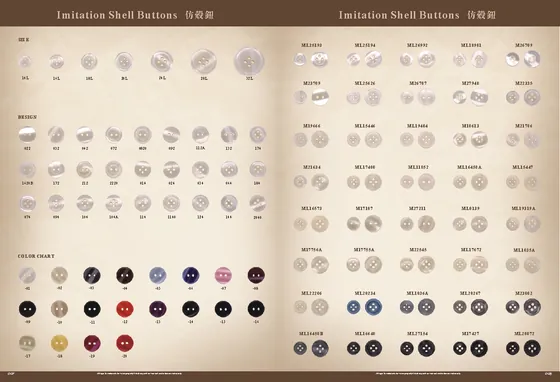
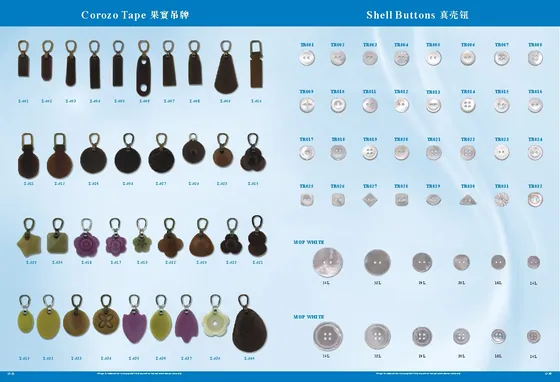
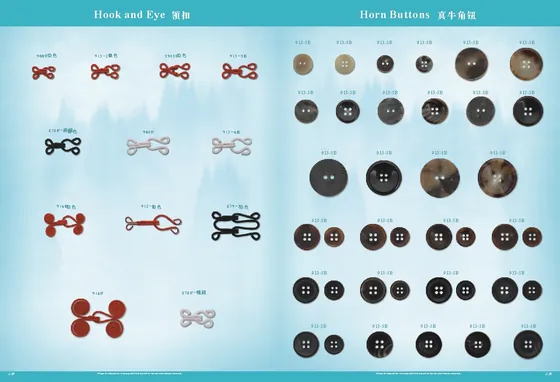
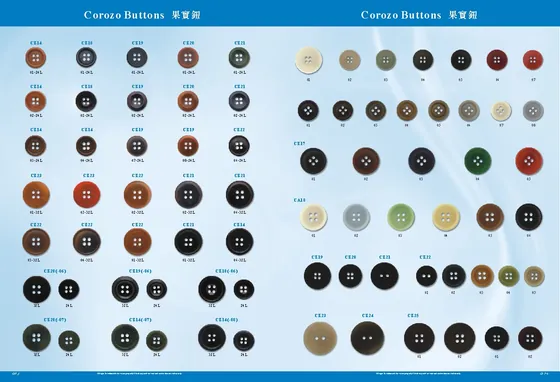
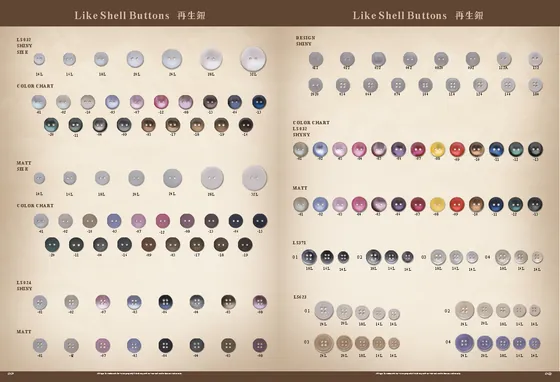
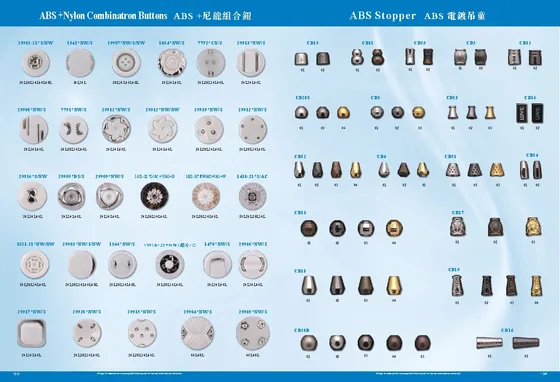
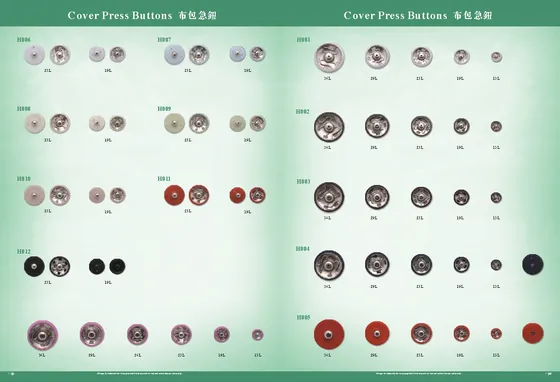
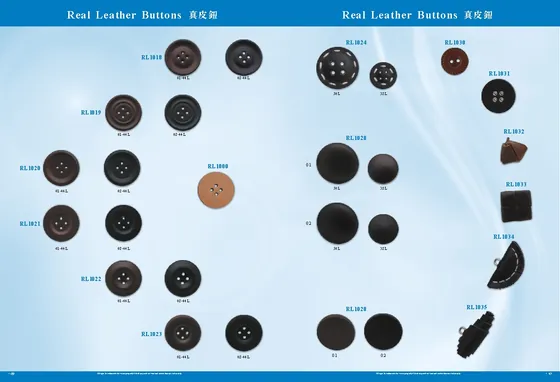
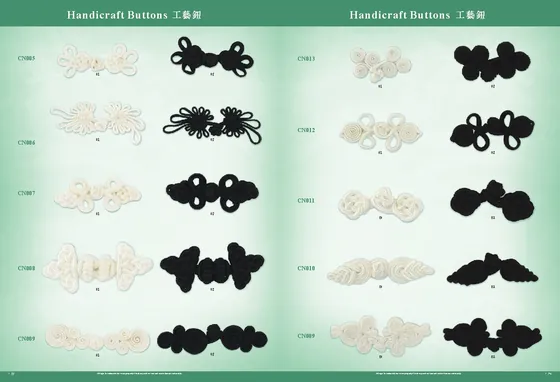
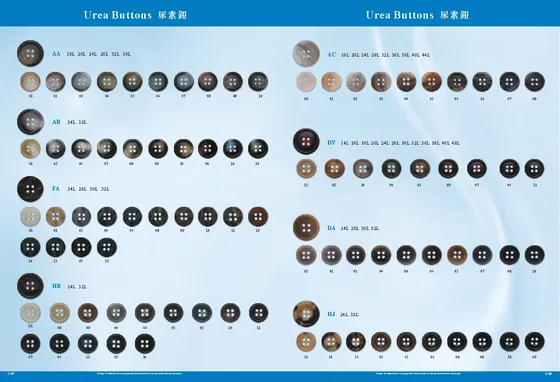
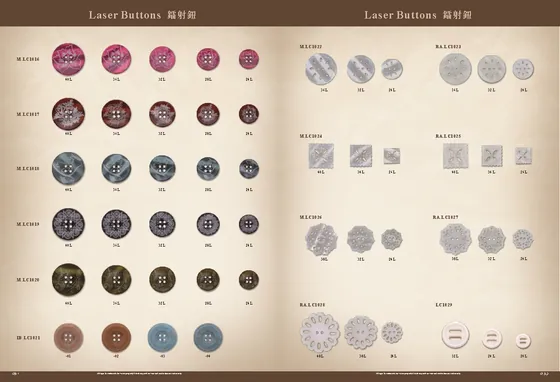
Seven years after the boards above, the range photographed again — across 20 product lines. Look at the series below: resin, imitation shell, natural shell and horn, wood and coconut, recycled polyester, metal hardware, snap fasteners, leather-wrapped buttons, frog closures, urea. They are not categories we added last year. Every family we quote today was already on a sample card in 2008.
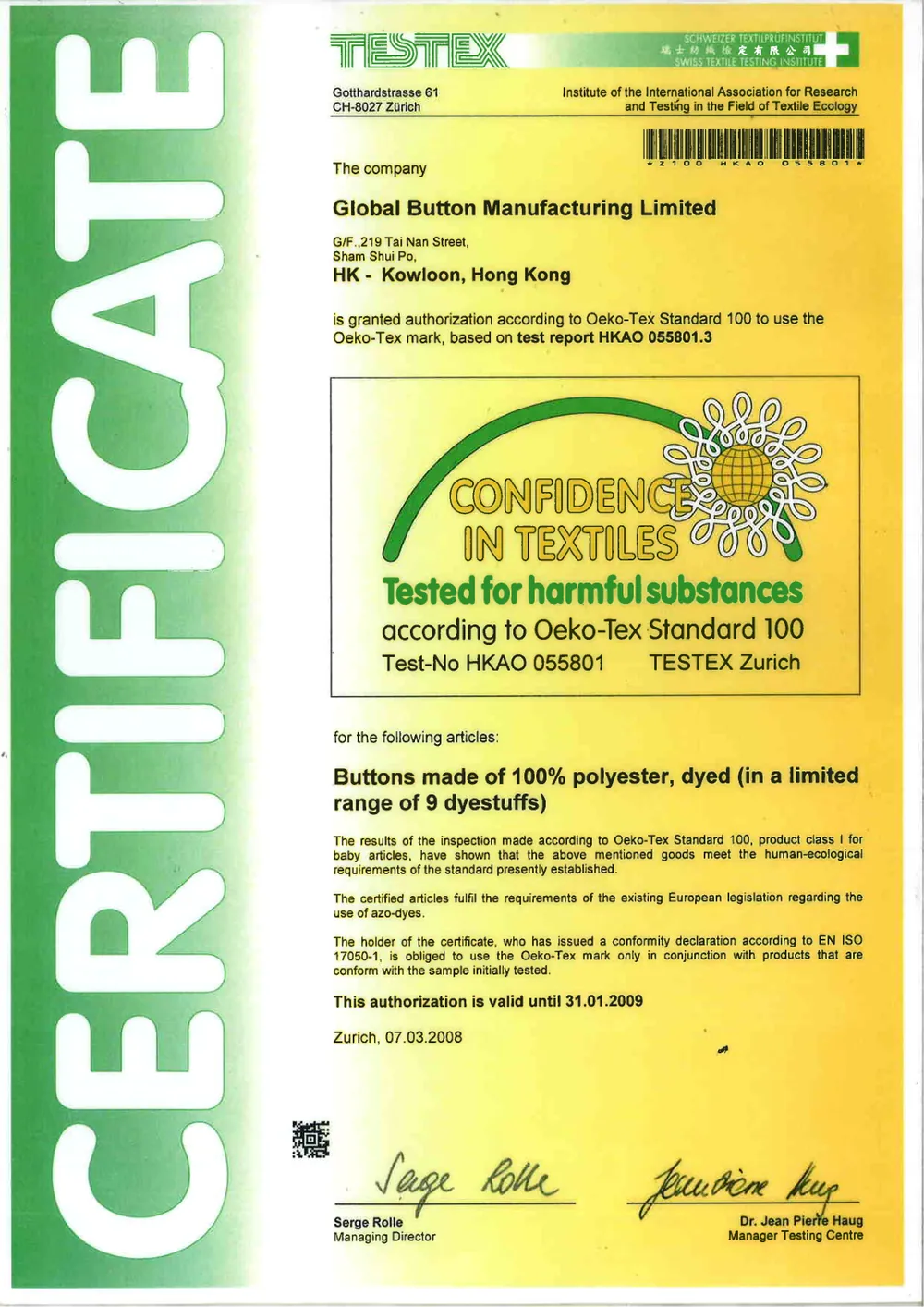
Oeko-Tex Standard 100 authorization · Test-No HKAO 055801 · TESTEX Zurich, issued 7 March 2008 to Global Button Manufacturing Limited (Hong Kong) — the founder's earlier company, since closed — covering 100% dyed polyester buttons under Product Class I. Valid to 31 January 2009. Historical record only: it does not represent a current certification held by Senfa Mfg. The original is in the cabinet; ask and we send a copy with your quote.
What this means for a buyer. When you qualify a trims supplier, the hard question is not "can you make it" — it is "will lot three match the approval sample, and will the paperwork hold up in our audit". Continuity is how you answer it. The numbering on these cards is the same system we quote from today. The document above — an authorization to use the Oeko-Tex Standard 100 mark, issued by TESTEX Zurich to our earlier Hong Kong company — shows this trade meeting an international substances standard as early as 2008.
Approval sample discipline. Then as now: nothing goes to bulk before a physical sample is signed off, and a retained reference of every lot stays on file. The 2008 cards below are that discipline, seventeen years old.
Check it, don't trust it. Pick any series below and ask what the current sample looks like — we photograph the present-day button against the 2008 card and send you both. Counter samples are pulled from the same shelves.
Resin→ today: resin buttons
Imitation shell→ today: faux horn & shell
Natural shell→ today: shell buttons
Natural horn→ today: horn & toggles
Wood & coconut→ today: wooden buttons
Recycled→ today: GRS recycled
Metal hardware→ today: premium metal
Snap fasteners→ today: press studs
Leather-wrapped→ today: leather buttons
Frog closures→ today: frog closures
Urea→ today: urea buttons
Laser / rainbow→ today: rainbow buttons
Twelve of the twenty lines photographed in 2008. Send us the series name and we will pull the current sample against the card — you approve a physical reference before bulk, the same way it was done then.
The archive, digitised
62 boards. 2,588 numbered styles. 1999.
Click any board to open it full size. Inside, click a button cell to zoom in — the style number is printed on the board and shown in the corner.
Check, don't trust
Three things you can verify yourself
Age claims are cheap. These are not.
Archived 31 Oct 2001
An early English sample-board site, preserved by the Internet Archive. The date is theirs, not ours.
History is only useful if it changes how your order is handled. Here is what the archive does for you in practice.
Historical style reference
Quote a style number from 1999 or 2008 and we pull the board and the record.
Repeat-order consistency
The numbering never restarted, so a reorder years later matches without guessing.
Sample retention
A physical reference of every lot stays on file, tied to the bag code.
Quality control
In-house testing and batch-coded bags, documented per lot since before it was fashionable.
Custom development
New styles developed against your trim card and approved under D65.
Straight answers
Questions buyers actually ask
Short answers, checkable facts.
How do I know this isn't a trading company telling an old story?
The boards above are physical objects on our shelves, not stock photos. Come and see them — or ask us to photograph any style number you pick, holding a printed note with today's date. We do that on request.
How can I verify the 1999 archive myself?
Two ways. Pick any style number from the boards above and ask us what it looked like — we will pull the board and the retained sample. And the Internet Archive has held a copy of the factory's first English sample-board site since 31 October 2001; ask us for the link.
Can I still order styles from the 1999 boards?
Many of them, yes — that is why the boards are kept. Tell us the style number and size, and we will confirm within one working day whether it is still in production or needs a refreshed sample.
What does "the numbering never restarted" mean for me?
It means your reorders are traceable. A style number quoted in 1999 still refers to the same button today. No renumbering means no guessing when you repeat an order years later.
Why does a supplier's history matter when sourcing buttons?
Because continuity is the part of quality you cannot photograph on a product page. The series we quote today were photographed in 1999 and 2008, the style numbering never restarted, and quality documents on file go back to 2008. When your brand audits its trims supply chain, that paper trail answers questions a newly founded trading company cannot.
Is the 2008 OEKO-TEX authorization still valid?
No, and we say so plainly. It is a historical record: an authorization to use the Oeko-Tex Standard 100 mark, issued by TESTEX Zurich in March 2008 (Test-No HKAO 055801) to Global Button Manufacturing Limited — the founder's earlier Hong Kong company, since closed — covering 100% dyed polyester buttons, valid to 31 January 2009. It is part of the traceability trail, not today's paperwork. Current GRS and OEKO-TEX scoped certification covers the supply chain we ship under now — ask and we send the current documents with your quote.
Send the garment. Get the trims list.
Or just ask: "what did style 11908 look like in 1999?" — we can answer that.